Colonial Boston Under British Rule
To fully appreciate why Boston stands at the center of American independence celebrations, visitors can explore the conditions of the 1760s and 1770s. Following the French and Indian War, the British Parliament passed a series of revenue measures to tax the American colonies. Legislation like the Stamp Act of 1765 and the Townshend Acts of 1767 provoked outrage among Massachusetts citizens who held no elected representation in Parliament.
Protests erupted frequently in Boston, leading British authorities to station troops inside the city. Tensions between citizens and soldiers escalated into the Boston Massacre on March 5, 1770, where five colonists lost their lives. This tragic event deepened resistance across all 13 colonies.
The Tea Act and the Destruction of the Tea
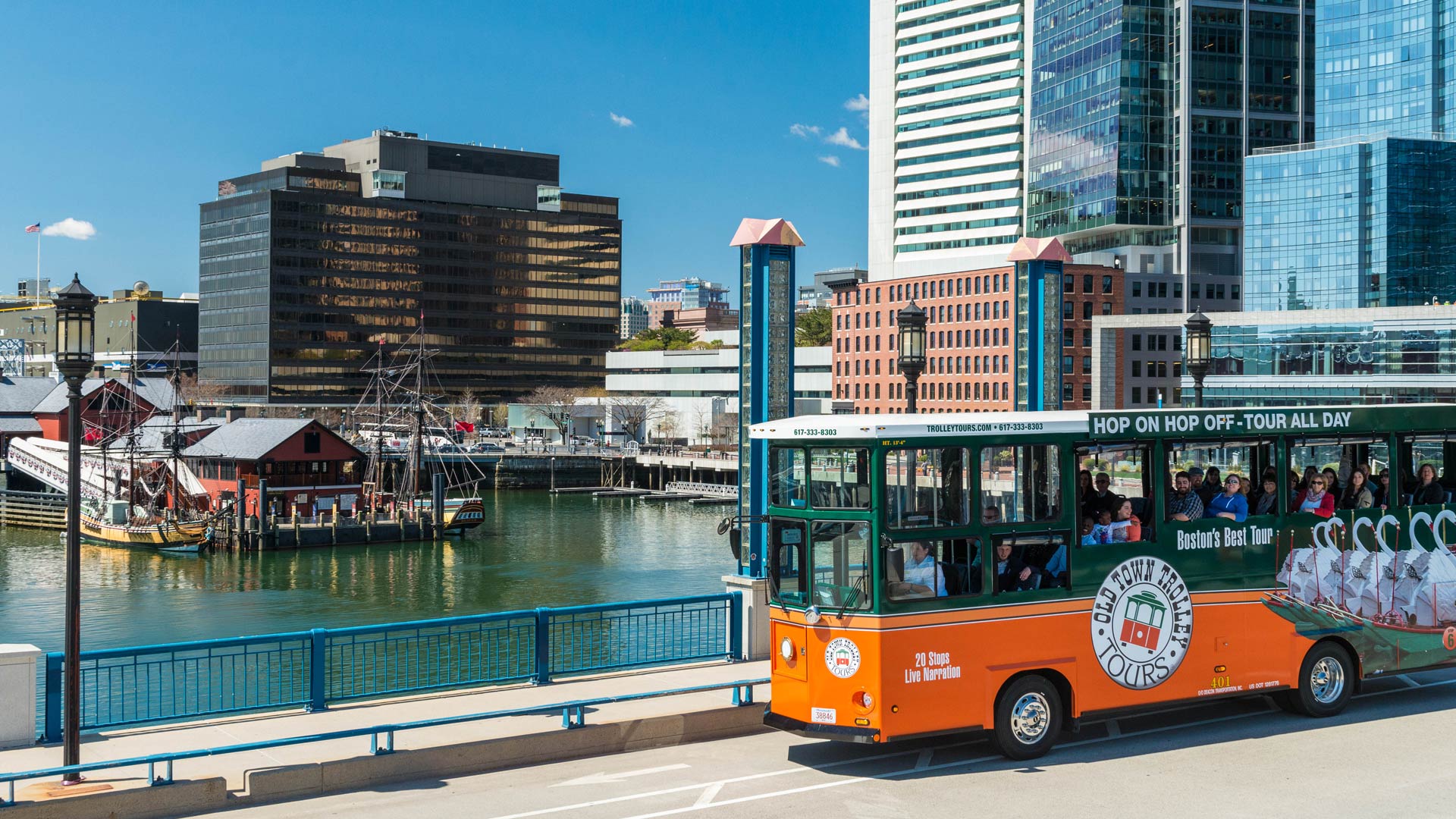
In May 1773, Parliament enacted the Tea Act, granting the East India Company a monopoly on tea sales in the colonies while maintaining the import duty. When three ships carrying East India Company tea arrived at Griffin’s Wharf in late 1773, local patriots resolved to prevent the cargo from being landed and sold.
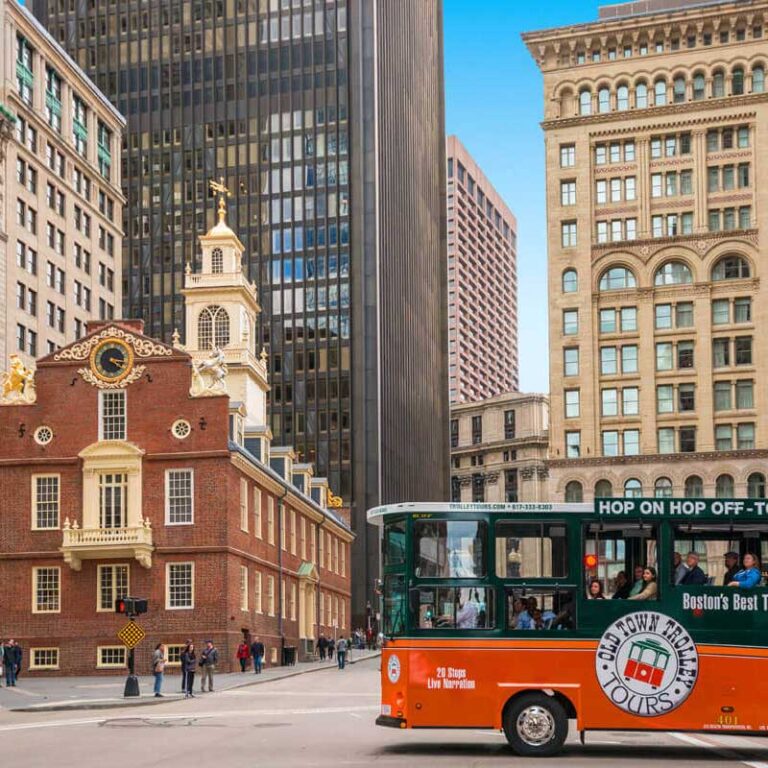
Massive public assemblies convened at the Old South Meeting House as citizens attempted to negotiate the peaceful return of the vessels to London. When Royal Governor Thomas Hutchinson refused to permit the ships to leave the harbor, Samuel Adams declared that nothing more could be done to save the country.
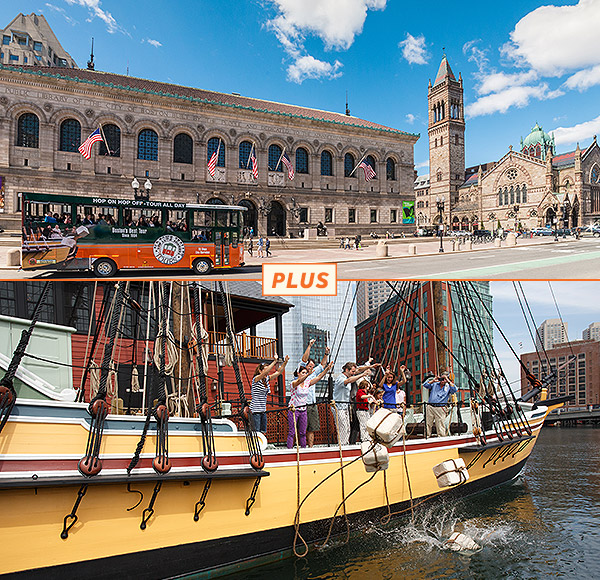
A group known as the Sons of Liberty proceeded to the waterfront disguised as Mohawk warriors. Over three hours, they boarded the Dartmouth, the Eleanor, and the Beaver, dumping 342 chests of tea into the water. The destruction of 92,000 pounds of tea sent shock waves throughout the British Empire.
Coercion, Unity, and War
Parliament retaliated by passing the Boston Port Act in 1774, closing Boston Harbor to commercial shipping and installing General Thomas Gage as military governor. Rather than intimidating the colonies, these harsh measures inspired continental unity. Sister colonies sent food, supplies, and political support to Massachusetts.
Delegates formed the First Continental Congress in Philadelphia to coordinate political action. Tensions finally turned into armed confrontation on April 19, 1775, at the Battles of Lexington and Concord. Fifteen months later, the Continental Congress formally declared independence, building upon the revolutionary foundation laid in Boston Harbor.