Thomas Wells was a 27-year-old blacksmith living on Ann Street in Boston, Massachusetts in 1773, who worked close to the wharves of Boston. His family was also parishioners at Old North Church.
Family history of Thomas Wells claims not only that he participated in the Boston Tea Party, but that he took a tea label off of one of the chests and hid it inside of his coat as a souvenir of the event. That label is now on display at Old South Meeting House (however, updated research has shown that the label is likely from the 19th century, and not 1773).
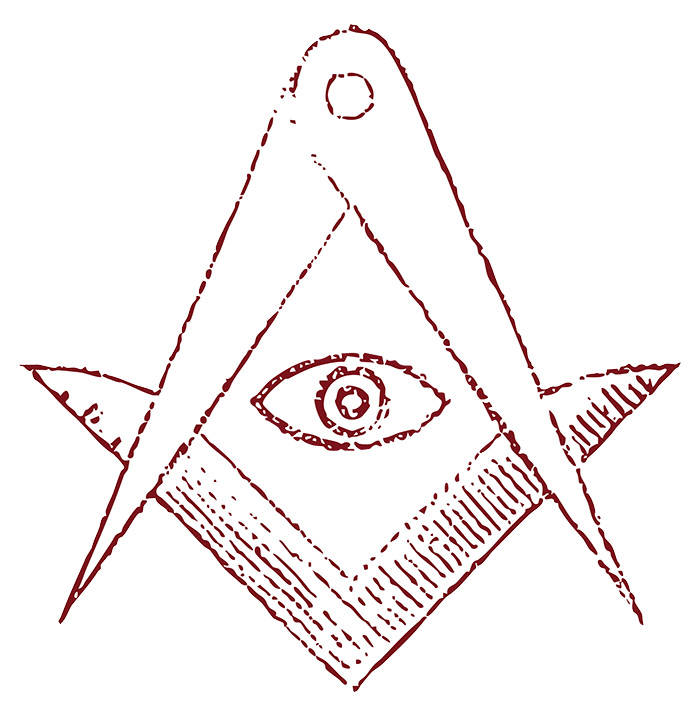
Thomas Wells was a member of St. Andrew’s Lodge of Freemasons, was initiated on December 13, 1770, and then raised to full membership on February 2, 1771. St. Andrew’s Lodge is widely thought to be one of the organizations in Boston responsible for planning to destroy the East India Company tea should Governor Thomas Hutchinson deny the request of the people to send it back to England, thus avoiding the tax placed upon it. Several other Boston Tea Party participants were members of St. Andrew’s Lodge.
Thomas’s two sons also had close ties to other Boston Tea Party participants: his son John B. Wells was a partner to the son of Capt. Joseph Bassett, and his son Charles Wells was apprenticed as a stone mason to Jonathan Hunnewell.
During the Revolutionary War, Thomas served as a private in Capt. Lemuel Trescott’s company, as listed on a muster roll dated August 1, 1775. He was then drafted into Capt. Edward Burbeck’s company as a part of Col. Richard Gridley’s Artillery regiment as a First Lieutenant, and Col. John Crane’s (a Boston Tea Party participant) Artillery Regiment. All in all, Thomas has records of service from 1775-1780.
Sign up to receive special offers, discounts and news on upcoming events.