In-Season Hours: Tours begin at 10a, last tour 5p. Plan Visit >

Discover the Best Food in Boston and the Stories Behind Iconic Boston Dishes

Boston’s food scene has deep roots in the city’s rich history and culture. The best food in Boston isn’t just about taste. It tells the story of hardworking settlers and evolving traditions. This guide will introduce you to some of the most famous Boston dishes and the history that makes them so special.

What Is the Story Behind Boston Cream Pie?

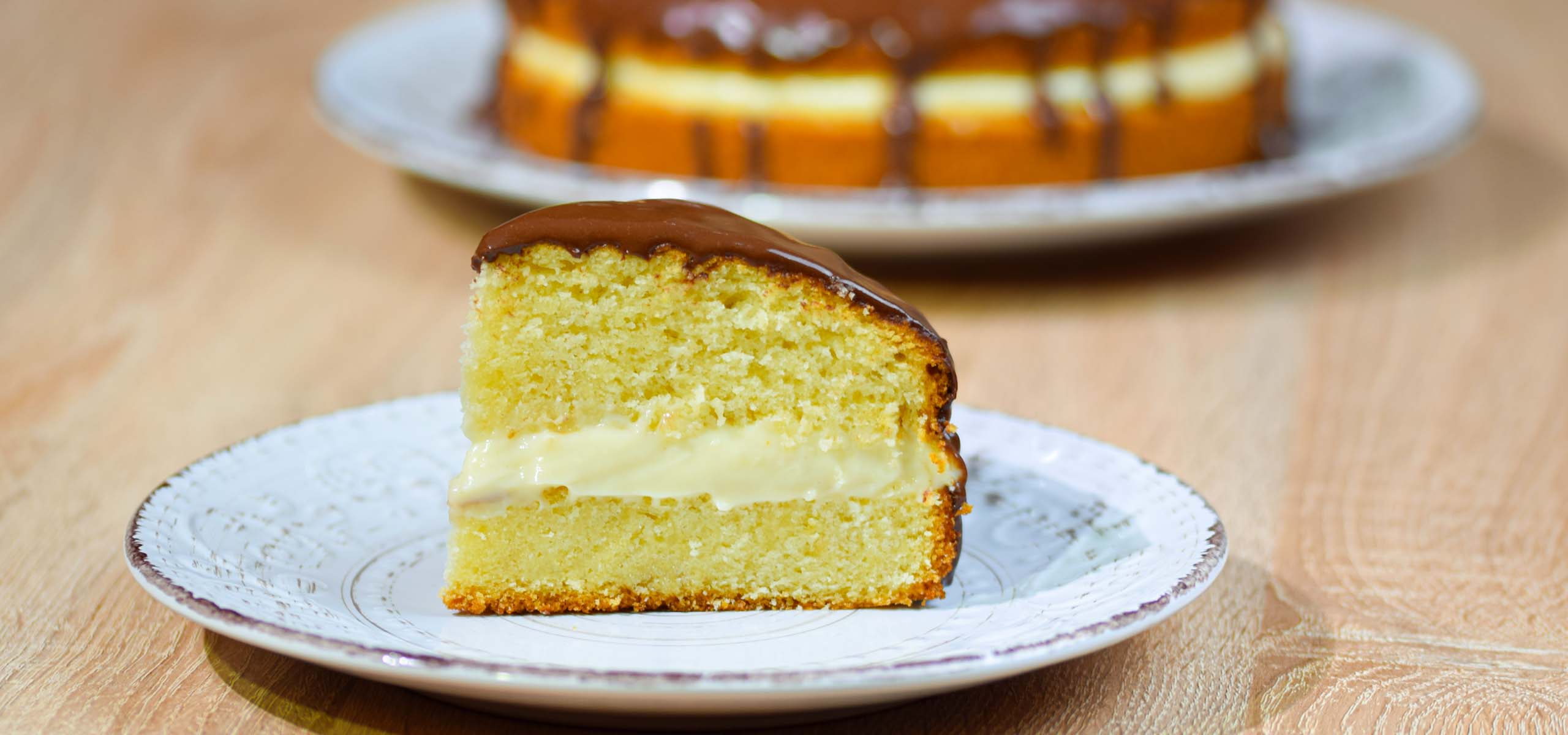
Boston cream pie might sound like a pie, but it’s actually a cake with a fascinating history. It was created back in 1856 to celebrate the opening of Boston’s Parker House Hotel. The cake has two soft sponge layers filled with rich pastry cream and is finished with a glossy chocolate glaze on top. French Pastry Chef Monsieur Sanzian came up with this unique dessert when chocolate was mostly enjoyed as a drink or pudding, making his creation stand out at the time. The cake became a local favorite and was officially named Massachusetts’ state dessert in 1996. Today, Boston cream pie remains one of the best and everybody’s favorite food in Boston, enjoyed by both residents and visitors who appreciate its creamy texture and balanced flavors.

What Makes New England Clam Chowder a Classic Boston Dish?

New England clam chowder is a thick, creamy soup filled with tender clams, diced potatoes and often bits of salt pork or bacon. Its history goes back to the 1700s when Massachusetts settlers adapted European fish and shellfish stews using local ingredients. The name “chowder” likely comes from the French word “chaudière,” which means “cauldron,” referring to the large pots used to cook these soups. This milk-based broth distinguishes New England clam chowder from other regional varieties like the tomato-based Manhattan style.

The dish became a staple in Boston’s coastal communities, where clamming was a common livelihood. Over time, it grew into one of the best foods in Boston, loved for its rich flavor and comforting warmth. Its popularity spread beyond New England, but Boston remains one of the best places to experience an authentic bowl of this classic soup.

Top spots to try New England clam chowder include the historic Union Oyster House, which is one of America’s oldest restaurants; the popular Neptune Oyster known for its fresh seafood; and Legal Sea Foods, a Boston-based chain celebrated for its consistent quality. Each offers a unique take on this signature Boston dish that continues to connect visitors and locals alike with the city’s maritime heritage

What Types of Teas Were Part of the Boston Tea Party?

The Boston Tea Party was fueled by a shipment of various teas highly valued in Colonial America. Among the black teas on board, bohea was the most common and made up the bulk of the cargo. This term broadly referred to black teas from the Wuyi Mountains in China, known for their bold flavors. Congou, also from China, was a higher-quality black tea and considered a finer version of bohea. Another black tea variety, souchong, stood out with its unique smoky aroma, adding a distinctive character to the shipment.

Alongside black teas, the cargo included prized green teas. Singlo was a green tea harvested later in the season, offering a milder taste. Hyson, sometimes called young hyson, was highly sought after for its bright flavor and quality. These teas were staples in many Boston households, reflecting the city’s rich trading history and the important role tea played in daily life during the 18th century.

At the Boston Tea Party Ships & Museum®, visitors don’t just learn about the history. They can also sample modern versions of these historic teas. The museum’s tea-tasting experiences offer guests a chance to savor the flavors of bohea, congou, souchong, singlo and hyson. This interactive activity connects visitors directly to Boston’s past and its role in shaping American history. Tasting these teas adds a sensory layer to exploring one of Boston’s most fascinating hidden gems.

This rich blend of history, culture and flavor showcases the best food in Boston and offers a unique way to engage with Boston dishes that go beyond the typical. Experiencing these teas helps visitors appreciate the city’s culinary heritage and deepens understanding of the events that led to the Boston Tea Party, making the museum a must-see for food lovers and history buffs alike.

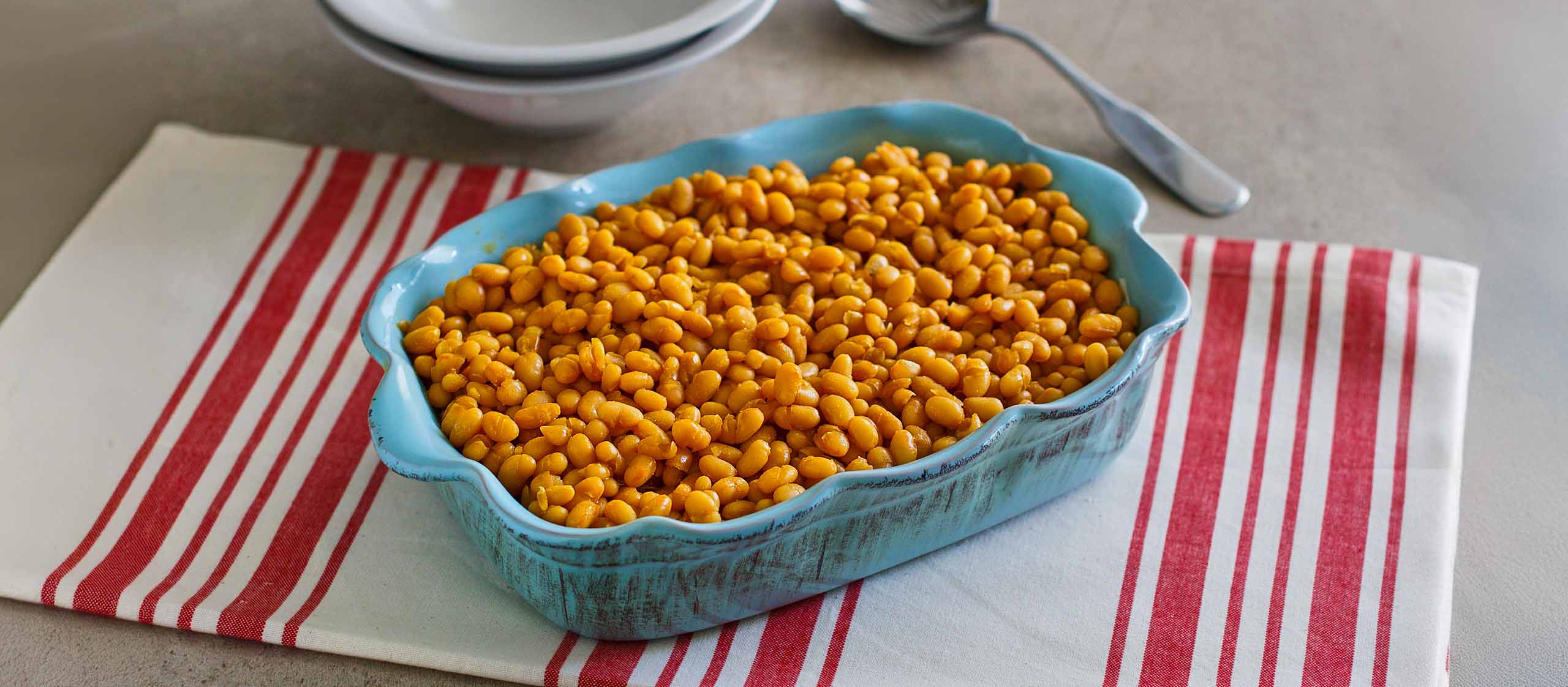
What Makes Boston Baked Beans a Signature Dish?

Boston baked beans are a sweet and savory dish made with navy beans slow-cooked with molasses, brown sugar, and salt pork or bacon. This hearty dish is so closely tied to the city that Boston earned the nickname “Beantown” because of it.

The roots of Boston baked beans go back to a Middle Ages English bean-and-bacon stew. When Puritan settlers arrived in Massachusetts in the 17th century, they adapted this recipe to suit the New England environment, often using salt pork as a more readily available and affordable alternative to bacon. The dish was especially popular as a Saturday night meal since it could be prepared ahead and enjoyed on Sunday, honoring religious customs that discouraged cooking on the Sabbath.

The addition of molasses is what truly distinguishes Boston baked beans. Molasses became a common ingredient in the mid-18th century due to Boston’s central role in the triangular trade, which brought molasses from the Caribbean to New England ports. This trade not only influenced Boston’s economy but also shaped its culinary traditions. The molasses added a rich, deep sweetness that balanced the saltiness of the pork and the earthiness of the beans.

Boston baked beans became a staple at many local gatherings and fairs, contributing to their reputation as some of the best food in Boston. Alongside other classic Boston dishes, they reflect the city’s history of resourcefulness and cultural blending, giving them a delicious taste of New England’s past and present.

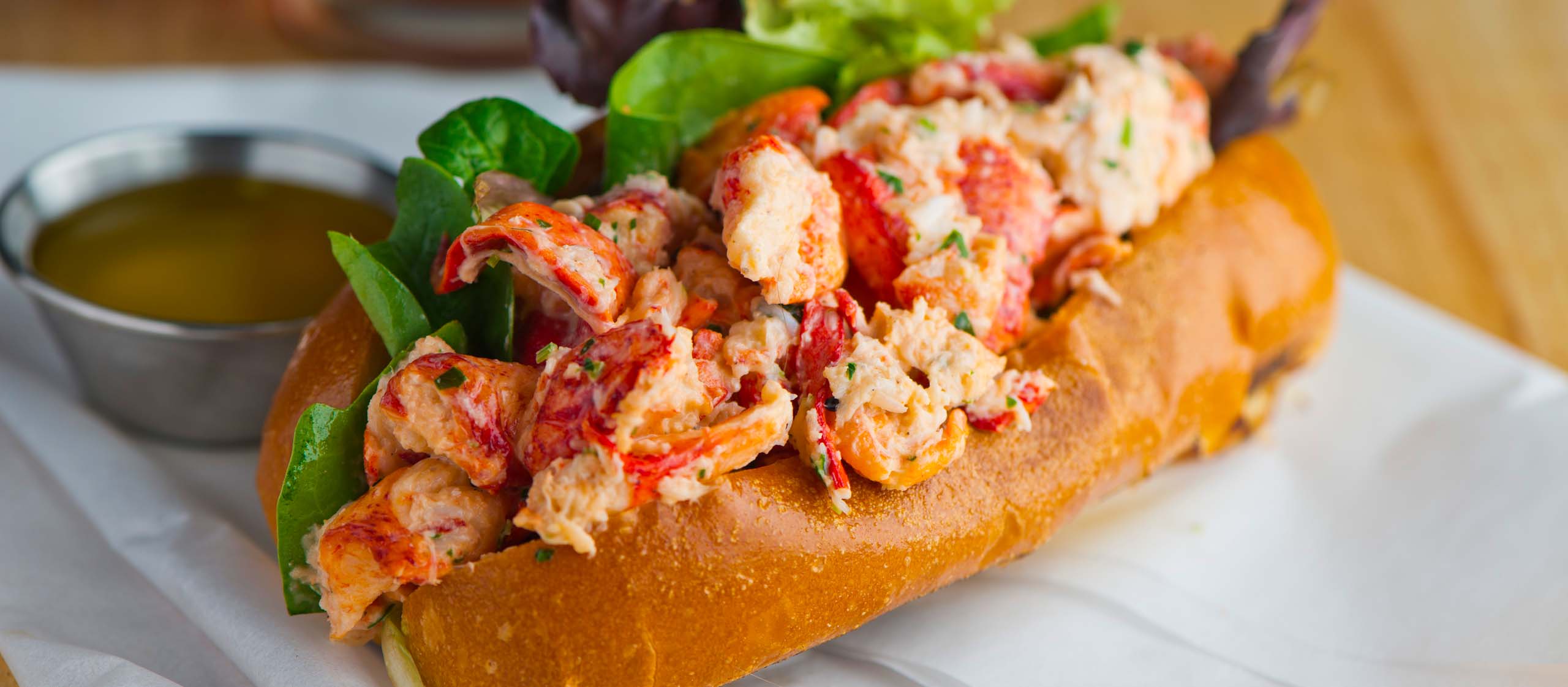
Why Is the Lobster Roll a Beloved Boston Dish?

The lobster roll is a classic sandwich featuring fresh lobster meat, either steamed or boiled, dressed with mayonnaise or melted butter, and served on a toasted, buttered New England-style split-top bun. This simple yet flavorful dish has become a must-try for anyone exploring the best food in Boston and the surrounding region.

Lobsters were once so plentiful along the New England coast that they were considered a low-cost protein, often served to prisoners and even used as fertilizer. In the early 1800s, lobsters were so abundant that they were sometimes discarded by fishers. The first known cold lobster salad recipe appeared in Lydia Maria Child’s 1829 cookbook, The American Frugal Housewife, highlighting the resourcefulness of early New England cooks.

As clambakes and outdoor gatherings gained popularity in the post-Civil War era, lobster rolls became a convenient way to enjoy fresh seafood on the go. The hot lobster roll is often credited to Perry’s restaurant in Milford, Connecticut, in the 1920s, where a traveling salesman requested a warm grilled lobster sandwich. This version quickly gained fans for its rich and comforting flavors.

Over time, the lobster roll evolved from a humble “poor man’s food” into a celebrated delicacy enjoyed across New England, including Boston. Today, it stands as a key part of the Boston dishes lineup, embodying the region’s deep connection to its coastal seafood heritage and culinary traditions.

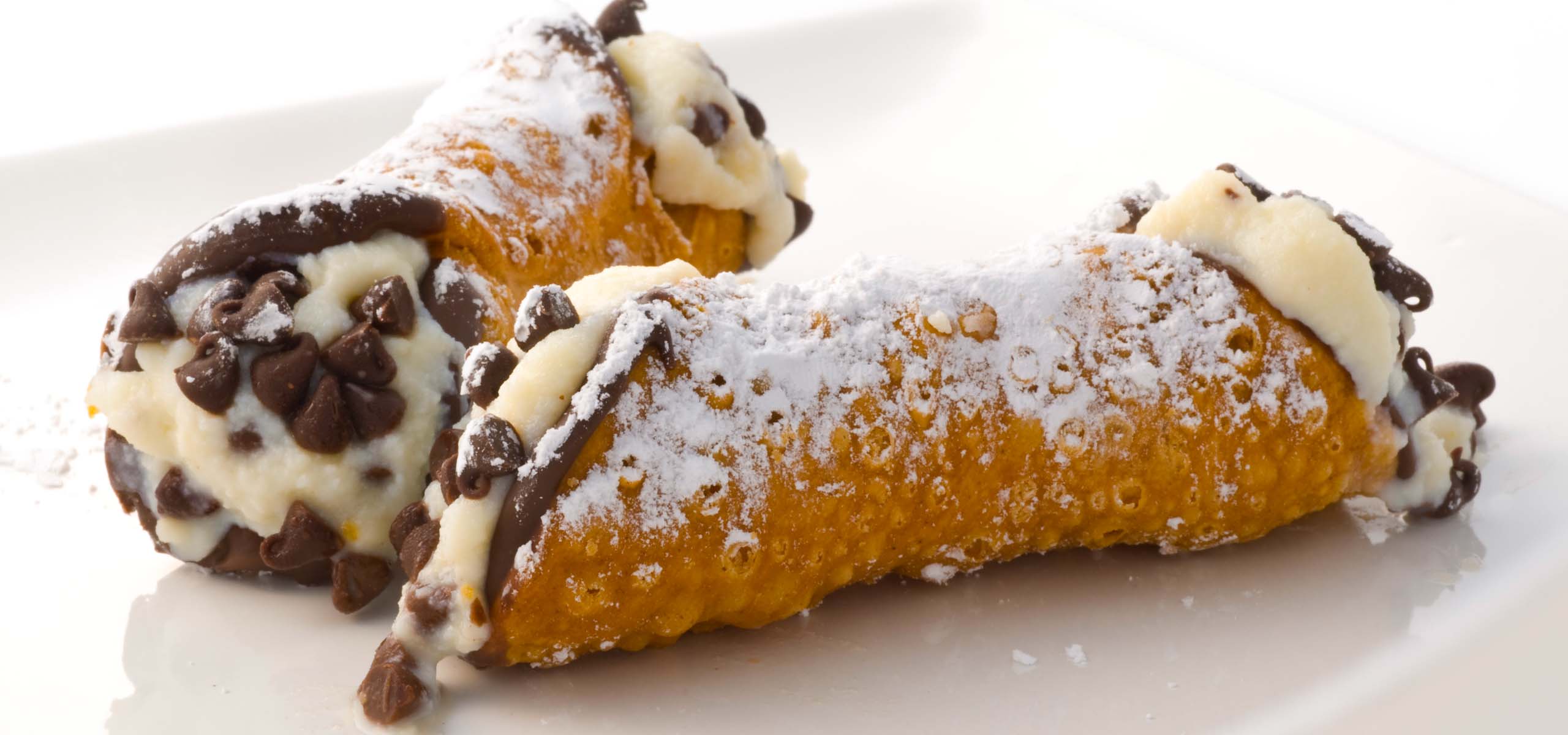
Why Are Cannolis a Beloved Part of Boston’s Food Scene?

Cannolis hold a special place among the best food in Boston, especially in the city’s historic North End. Though not originally from Boston, these crisp, fried pastry shells filled with sweet ricotta cream have become a signature treat in this Italian-American neighborhood. Many versions include extras like chocolate chips, candied fruit or crushed pistachios, adding layers of flavor and texture that delight locals and visitors alike.

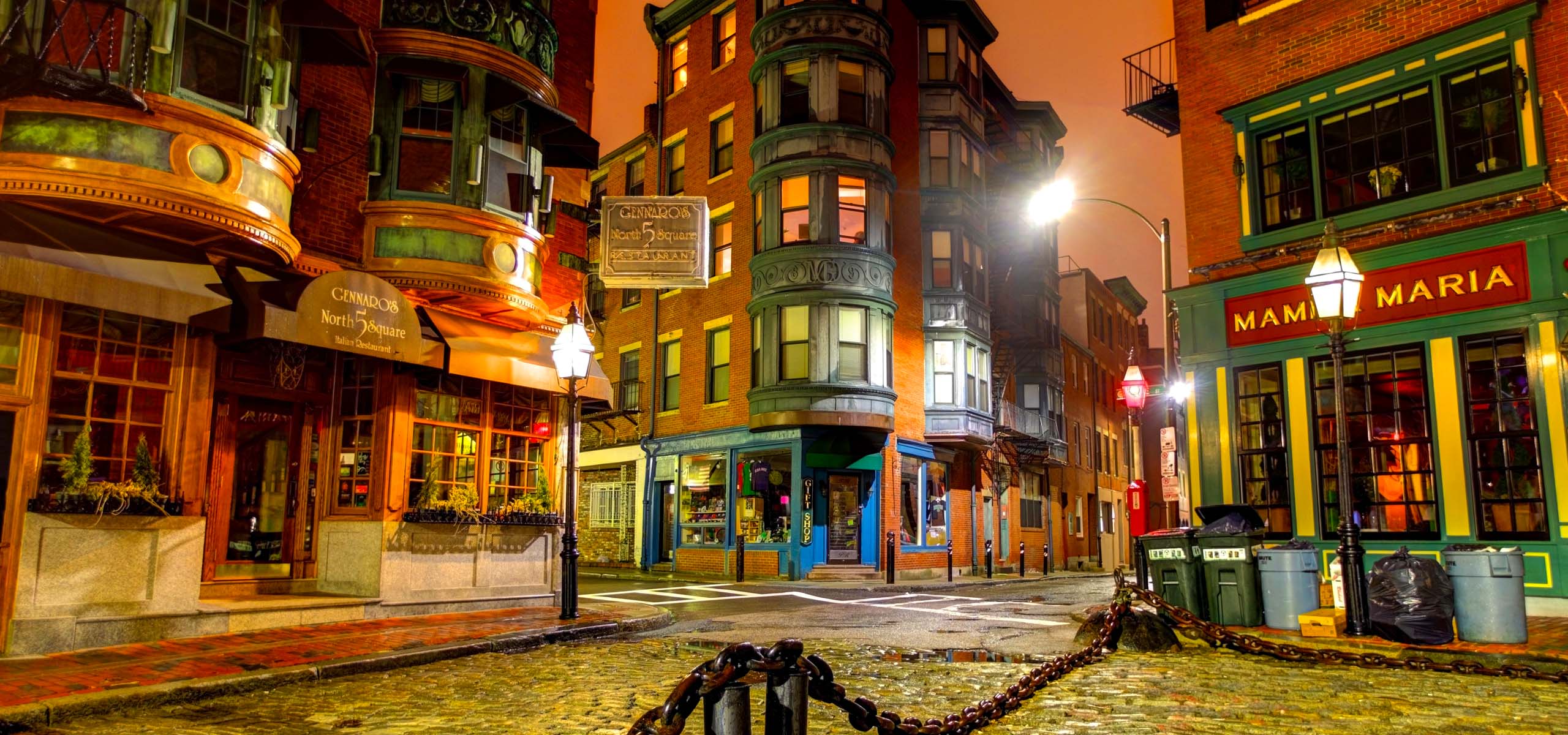
The origins of cannolis trace back to Sicily during the Arab rule in the 9th and 10th centuries. The tubular shape is believed to symbolize fertility and rebirth. These pastries were originally enjoyed during Carnevale, the festive season before Lent, making them a traditional celebratory dessert. When Sicilian immigrants arrived in the United States during the late 19th and early 20th centuries, they brought their culinary traditions with them. Boston’s North End became a hub for these immigrants, where cannolis were handcrafted in small family bakeries, often using recipes passed down through generations.

Beyond their cultural significance, cannolis also reflect Boston’s broader food history. The North End’s strong Italian influence helped shape the city’s evolving food scene, blending old-world flavors with new-world ingredients. Today, cannolis remain one of the most popular and recognizable Boston dishes, celebrated at local bakeries, festivals, and special events.

Why is the Fluffernutter Sandwich an Unofficial Boston Dish?

While not as historically rooted as Boston cream pie or baked beans, the Fluffernutter sandwich has become an unofficial part of the best food in Boston. This simple but beloved sandwich features creamy peanut butter and marshmallow fluff spread between two slices of white bread. Its history is deeply tied to the city and the surrounding area, making it a nostalgic favorite for many New Englanders.

The story of the Fluffernutter began in Somerville, Massachusetts, just a few miles from Boston. In 1917, Archibald Query, a local inventor, created a fluffy, sweet spread he called Marshmallow Creme. Around the same time, Confectioner Emma Curtis published a recipe for a “Liberty Sandwich” that combined peanut butter and marshmallow spread. Query’s Marshmallow Creme was later sold to H. Allen Durkee, who renamed the product “Fluff” and began selling it commercially. It was Durkee-Mower Inc. that coined the term “Fluffernutter” in 1960 as a way to market the sandwich.

Over the years, the Fluffernutter became a childhood staple in Boston and throughout New England, a comforting and easy-to-make lunch or snack. In 2006, the Fluffernutter even became the subject of a legislative debate in Massachusetts, when a bill was proposed to make it the official state sandwich. Although the bill did not pass, it brought the sandwich into the spotlight and reaffirmed its status as a regional favorite. Today, you can find the spirit of the Fluffernutter in creative desserts and specialty menu items throughout the city, cementing its place among the cherished Boston dishes that define the local food scene.

Why Should You Try Boston’s Iconic Dishes?

Boston’s food scene is full of stories and flavors that go beyond typical tourist dishes. These dishes have shaped Boston’s dining culture and continue to bring people together at family gatherings, local festivals and neighborhood celebrations. Trying these Boston dishes is one of the best ways to experience the heart and soul of the city, offering a delicious journey through Boston’s culinary heritage.
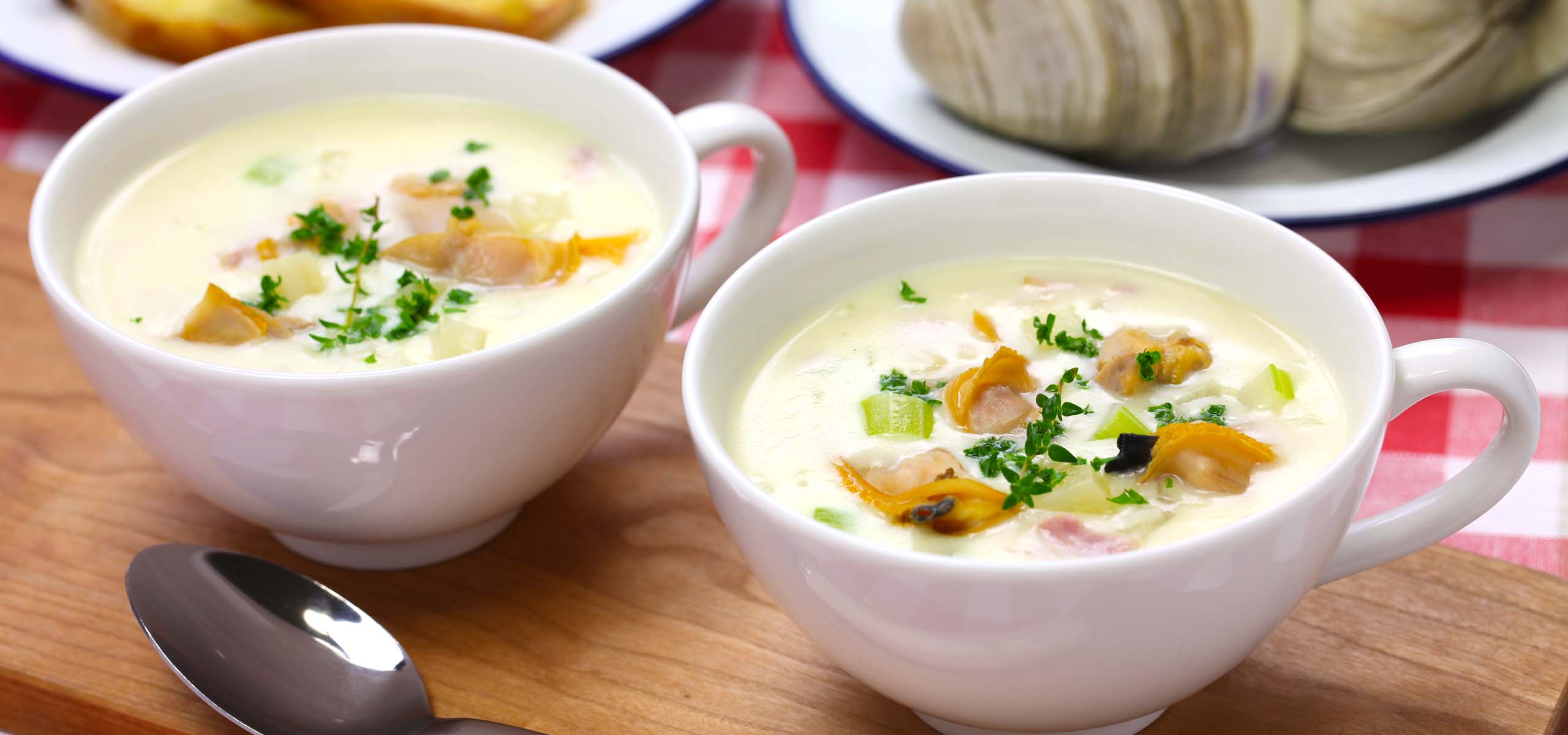
New England clam chowder is one of the Boston dishes most closely tied to the city’s culinary heritage. Unlike Manhattan clam chowder, which has a tomato-based broth, New England clam chowder is made with a base of milk or cream. It is thick, hearty and packed with tender clams, diced potatoes and onions. Many locals and visitors agree that sampling a bowl from one of the city’s historic seafood spots is part of experiencing the best food in Boston. This style of chowder is often served with oyster crackers, making it both a comforting and iconic example of traditional Boston dishes.

The famous Boston cream pie is actually a cake. It features layers of sponge cake filled with rich pastry cream topped with a smooth chocolate glaze. Created at the Parker House Hotel in the 19th century, it quickly became one of the most celebrated Boston dishes. Today it remains a must-try for anyone seeking the best food in Boston. While it is called a pie, the name comes from a time when the terms cake and pie were sometimes used interchangeably. Enjoying this dessert is not just about satisfying a sweet craving, it is about tasting a piece of the city’s history and experiencing one of the most iconic Boston dishes.


Cannoli are a beloved part of the best food in Boston, thanks in large part to the city’s strong Italian American heritage. The North End, often referred to as Boston’s Little Italy, is home to generations-old bakeries that make these crisp pastry shells filled with sweet ricotta cream. Cannoli have become one of the signature Boston dishes for both locals and visitors, often drawing long lines at famous bakeries. Their popularity is a testament to the city’s cultural diversity and culinary traditions, making them a must on any list of the best food in Boston.

The lobster roll is a summer staple and a contender for the best food in Boston. There are two main styles. The Connecticut-style roll is served warm with butter and the New England-style roll is served chilled with a light mayonnaise dressing. Many seafood shacks and restaurants along Boston’s waterfront serve excellent versions of this Boston dish. To truly enjoy it, choose a spot that uses fresh local lobster meat piled high on a toasted buttery split-top bun. Sampling a lobster roll is one of the most delicious ways to explore Boston dishes and it is an essential stop for anyone on the hunt for the best food in Boston.

Boston’s culinary reputation is built on a mix of seafood traditions, immigrant influences and historic recipes. The best food in Boston includes iconic favorites like New England clam chowder, lobster rolls, Boston cream pie, baked beans and fresh oysters. Many of these Boston dishes reflect the city’s coastal location and rich cultural history. From hearty seafood stews to sweet creamy desserts, exploring the best food in Boston offers a taste of its heritage and flavors.

SIGNUP FOR SPECIALS & DISCOUNTS

Sign up to receive special offers, discounts and news on upcoming events.