In-Season Hours: Tours begin at 10a, last tour 5p. Plan Visit >

What Makes the Hidden Gems of Boston Special?

Boston has many stories hidden in its streets and buildings. While famous landmarks draw most visitors, the hidden gems of Boston offer a chance to explore quieter places full of history and culture. These spots help you discover parts of the city that many people miss. Boston Tea Party Ships & Museum® has your guide to all the best hidden gems in the city.

What Can You Expect at the Isabella Stewart Gardner Museum?

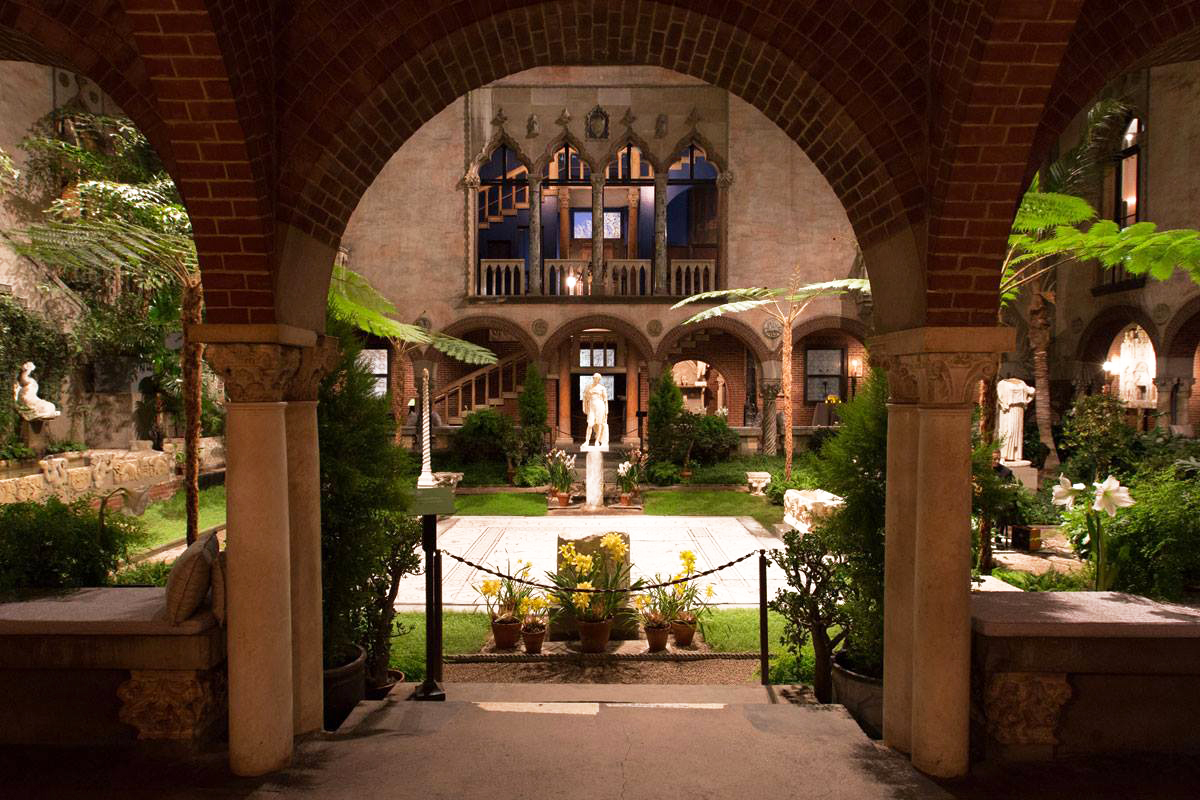
The Isabella Stewart Gardner Museum offers visitors a chance to step inside a Venetian-style palace right in the heart of Boston. Built in the early 20th century, the museum reflects Isabella Gardner’s deep passion for art and culture. She personally designed the building to mirror the architecture of a 15th-century Venetian palazzo, complete with a peaceful central courtyard filled with vibrant plants and classical sculptures. The collection includes paintings, textiles and decorative arts from Europe, Asia and America, arranged exactly as Gardner envisioned. The museum also houses an extensive library and hosts concerts and special exhibitions throughout the year, providing visitors with a rich cultural experience beyond just visual art. A famous event in its history is the 1990 art heist, which remains unsolved, adding a layer of mystery to the museum’s story. Visitors often find the tranquil garden a perfect place to unwind after exploring the diverse and carefully curated collection. The museum’s intimate setting allows guests to feel personally connected to the artworks and the vision of its founder, creating a unique and memorable visit.
What Makes the Boston Tea Party Ships & Museum a Must-Visit Hidden Gem?

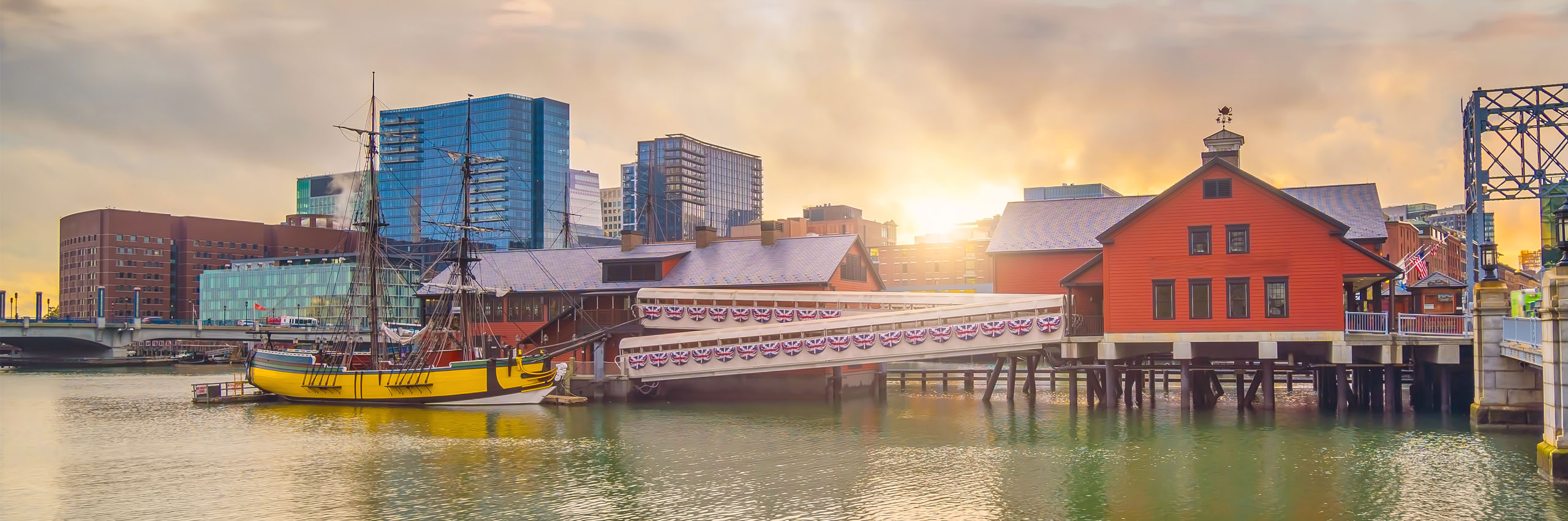
The Boston Tea Party Ships & Museum® offers a unique and unforgettable experience that brings one of America’s most important historical events to life. Unlike traditional museums, this site invites visitors to step aboard meticulously crafted replica ships, where costumed CASTmembers guide them through a lively and multisensory reenactment of the 1773 protest against British taxation. Guests throw tea crates overboard, and hear firsthand accounts that capture the spirit of rebellion. The museum houses authentic artifacts, including the only surviving tea chest from the original Boston Tea Party. Innovative technology, such as holographic presentations, enhances the storytelling, creating an immersive atmosphere that engages visitors of all ages. The museum also features interactive exhibits, multimedia displays and detailed historical contexts that deepen understanding of the political tensions and events leading up to the American Revolution. This combination of education, engagement and entertainment makes it a dynamic and essential destination in Boston’s collection of hidden gems.

Why Is the Mapparium a Considered a Hidden Gem of Boston?

The Mapparium is a stunning three-story stained-glass globe built in 1935 as part of the Mary Baker Eddy Library. Visitors walk across a 30-foot glass bridge through the center of this incredible globe, seeing the world as it looked nearly a century ago. Its remarkable design creates unique acoustics where a whisper travels clearly from one side to the other. This rare architectural wonder offers a quiet moment for reflection on history and geography, making it one of the special hidden gems of Boston that surprises many visitors.

Why Should You Visit the Boston Public Library?

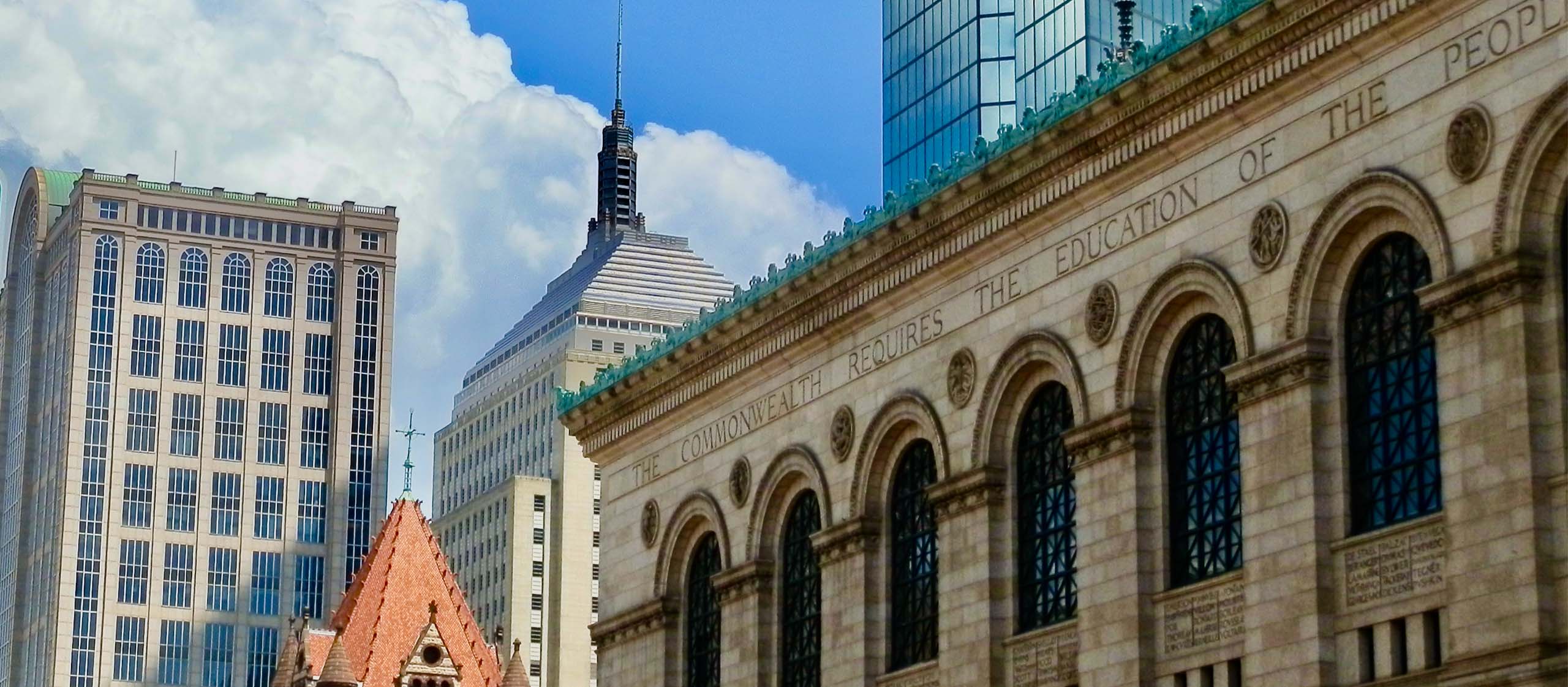
The Boston Public Library’s central branch in Copley Square is an architectural treasure opened in 1895. It features grand marble staircases, beautiful reading rooms and light-filled courtyards that invite visitors to linger and explore. Inside, the art collection includes famous murals by John Singer Sargent that bring history and literature to life with vivid scenes. The library holds an important place in Boston’s intellectual story, offering not only books but also exhibitions, lectures and community events throughout the year. The building itself feels like stepping into a piece of the past, while its programming keeps it lively and relevant today. Visitors often find quiet corners to read, study or simply enjoy the stunning surroundings.

What makes Castle Island and Fort Independence a key part of Boston’s history?

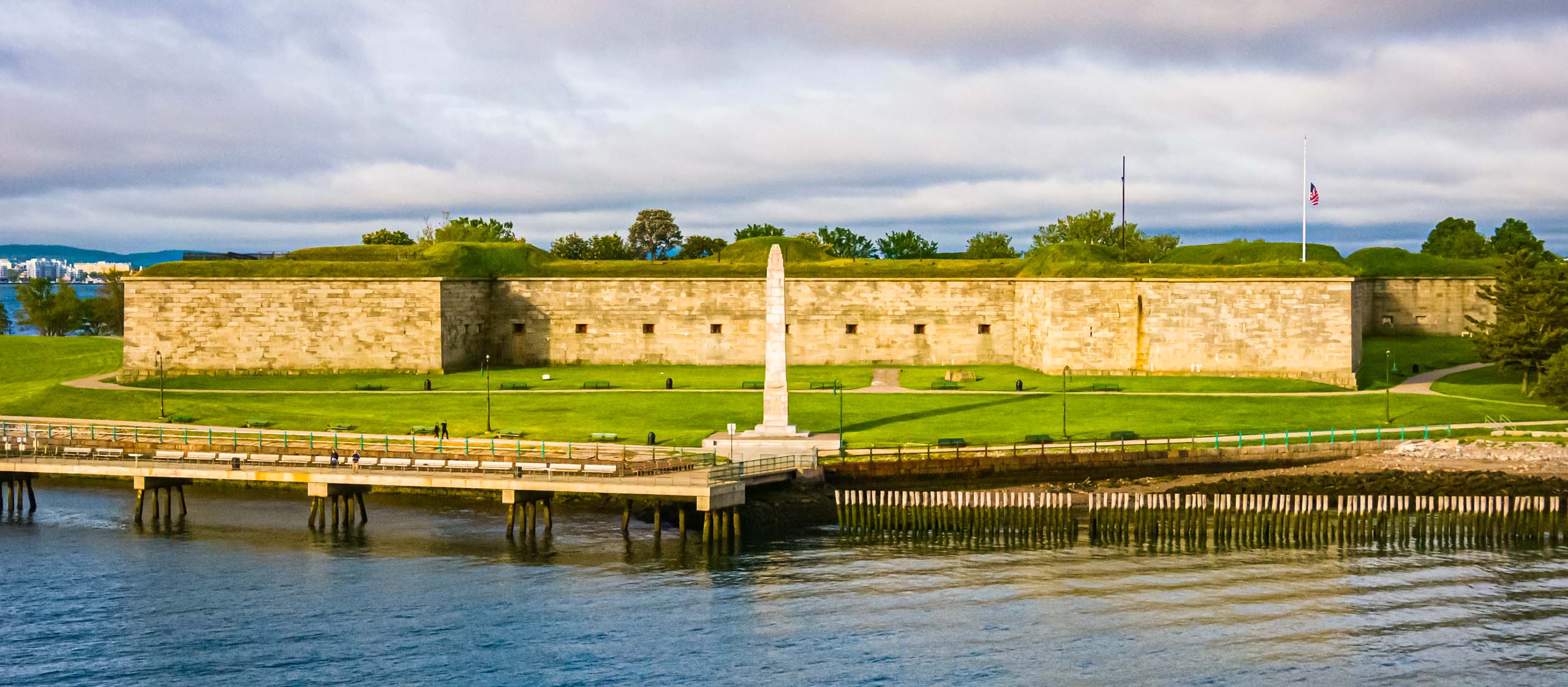
Castle Island has been connected to the mainland since the early 20th century, offering visitors easy access to one of Boston’s most historic spots. Fort Independence stands proudly on this peninsula, a pentagonal granite fort whose origins date back to the 1600s. This fortification played a crucial role in protecting Boston Harbor through various conflicts, including the Revolutionary War and the War of 1812. Today, visitors can explore the fort’s walls and interior, imagining the lives of soldiers who once guarded the city. Along the Harborwalk, panoramic views stretch across Boston Harbor and reach as far as Logan Airport. Castle Island remains one of the lesser-known hidden gems of Boston for those seeking both history and relaxation. In addition to its historic importance, the island provides a peaceful retreat from the city’s bustle, making it a favorite among locals and visitors alike.

Why does the Molasses Flood Plaque tell a unique Boston story?

Nestled at the corner of Commercial Street and Copp’s Hill, the Boston Molasses Flood plaque marks the site of a tragic yet unusual event in 1919. A large molasses storage tank burst open, sending a deadly wave of sticky syrup rushing through the streets. This disaster caused significant damage and loss of life, making it a sobering chapter in Boston’s industrial past. The plaque offers a glimpse into the city’s lesser-known history and serves as a reminder of the dangers of rapid urban development during that era. Though small, this site is a fascinating stop on any journey exploring the hidden gems of Boston.

How does the Ether Dome at Massachusetts General Hospital highlight medical breakthroughs?

For those interested in the history of medicine, the Ether Dome at Massachusetts General Hospital holds a special place. This historic surgical amphitheater was the scene of the first public demonstration of ether anesthesia in 1846. That moment revolutionized surgery by allowing patients to undergo operations without pain. Visitors to the Ether Dome can see original surgical tools, antique medical equipment, and even an Egyptian mummy that reflects the hospital’s extensive medical collections. The site stands as a testament to Boston’s role in advancing healthcare and scientific discovery. It remains a must-see for visitors eager to connect with the city’s rich medical heritage and discover more of the hidden gems of Boston.

What makes the Emerald Necklace an essential urban escape in Boston?

Boston’s Emerald Necklace is a stunning network of 7 miles of parks, waterways and green spaces linking Back Bay to Franklin Park. This chain of parks was designed in the late 19th century by famed Landscape Architect Frederick Law Olmsted, who envisioned a connected natural refuge for city residents. Today, visitors can explore iconic spots such as Jamaica Pond, where paddling and boating are popular activities. The Arnold Arboretum offers extensive botanical collections perfect for plant lovers and quiet strolls. The James P. Kelleher Rose Garden adds seasonal color and fragrance, delighting visitors throughout the year. This continuous green corridor provides an ideal way to experience Boston’s natural side, breathe fresh air and take a break from the city buzz. 

Why should you explore the hidden gems of Boston on your next visit?

Boston’s hidden gems offer a different kind of experience beyond the usual attractions. These special places combine history, culture, nature and hands-on learning that can interest all kinds of visitors. The Isabella Stewart Gardner Museum, for example, displays art collected and arranged by its founder in a setting modeled after a Venetian palace. The Emerald Necklace provides a chain of parks and waterways perfect for peaceful walks and enjoying the outdoors. Walking along Castle Island and visiting Fort Independence lets you discover Boston’s military past while taking in scenic views. The story behind the Boston Molasses Flood plaque reveals one of the city’s unusual historical events. Exploring these hidden gems of Boston gives you a chance to see sides of the city that many people miss. Adding these spots to your plans will give you a richer, more complete experience of Boston’s unique culture and history.

FAQs

Yes, many of the hidden gems of Boston are family-friendly. The Boston Tea Party Ships & Museum® brings history alive with interactive shows that engage kids. Outdoor areas like the Emerald Necklace offer safe places for children to run and explore nature trails. Puppet theaters and hands-on exhibits in places like the Boston Public Library spark curiosity and creativity for younger visitors. Fort Independence has open spaces for family picnics and exploration. These hidden gems offer a variety of fun and educational experiences for all ages.

Booking tickets ahead of time is recommended for some hidden gems of Boston. Popular spots like the Isabella Stewart Gardner Museum and Boston Tea Party Ships & Museum® suggest buying tickets early to avoid long waits. Some special events and exhibitions may require advance tickets as well. Parks like the Emerald Necklace and Castle Island do not need tickets and are free to visit. Checking each attraction’s official website before your visit will help you plan and make sure you have everything you need.

Several hidden gems of Boston are free to visit. The Emerald Necklace offers many open parks and waterways for relaxing walks without any admission cost. The Boston Public Library’s central branch lets visitors enjoy beautiful architecture and art for free. Castle Island and Fort Independence are public spaces where you can learn about history and enjoy waterfront views without an entry fee. These free options give you a chance to explore Boston’s culture and nature without spending money on tickets.

Spring and fall are the best seasons to visit Boston for exploring hidden gems. Spring brings blooming flowers and fresh greenery to the city’s gardens and parks like the Alcazar Garden and Japanese Friendship Garden. Fall colors add warmth and charm to outdoor spots like Castle Island and the Emerald Necklace. Summer has longer days for sightseeing but tends to be busier with more visitors. Winter offers a quieter experience and a different view of the city, though cold weather and snow might limit time outdoors. Choosing spring or fall will give you good weather and smaller crowds while visiting these hidden gems of Boston.

SIGNUP FOR SPECIALS & DISCOUNTS

Sign up to receive special offers, discounts and news on upcoming events.